
A classic from another era
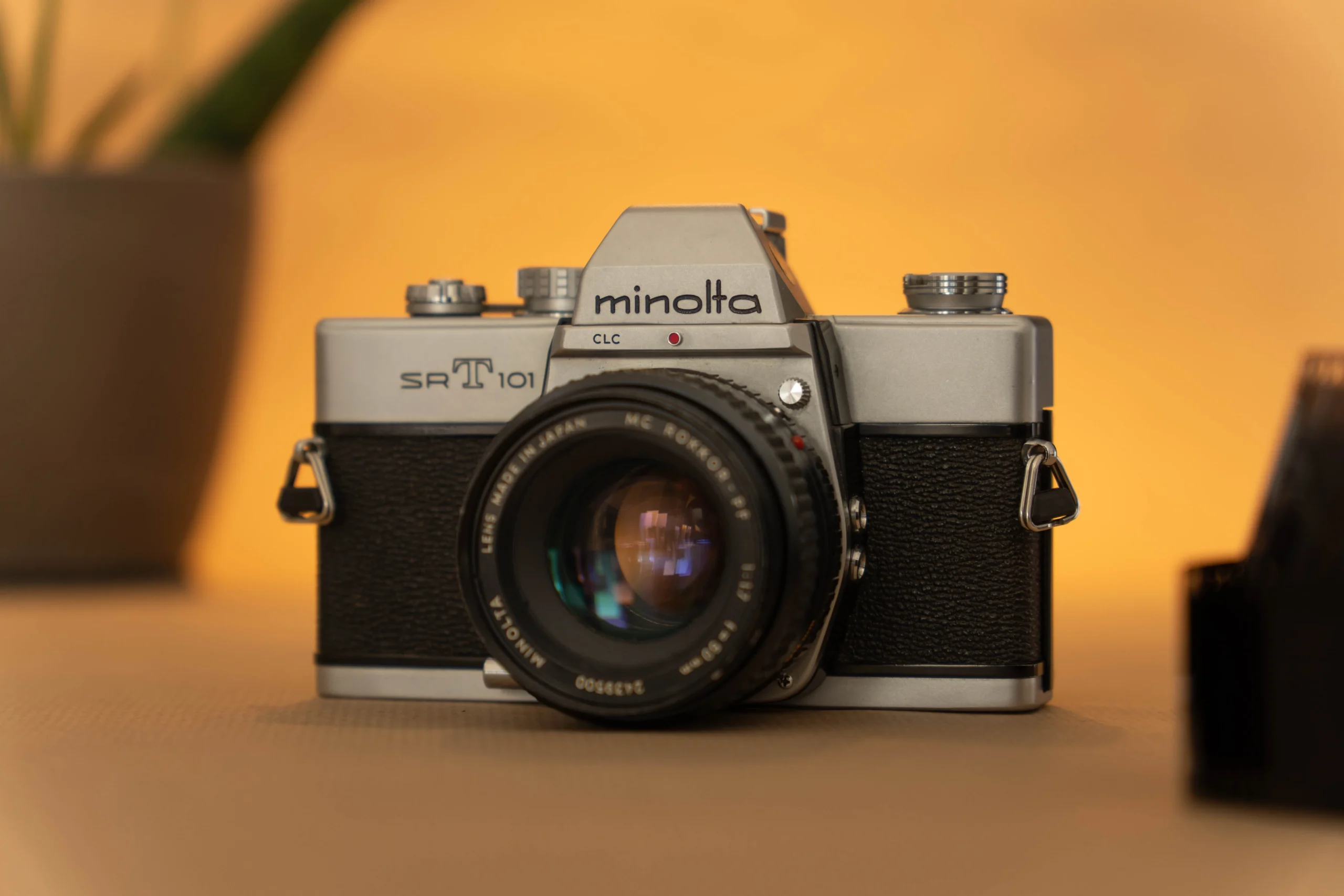
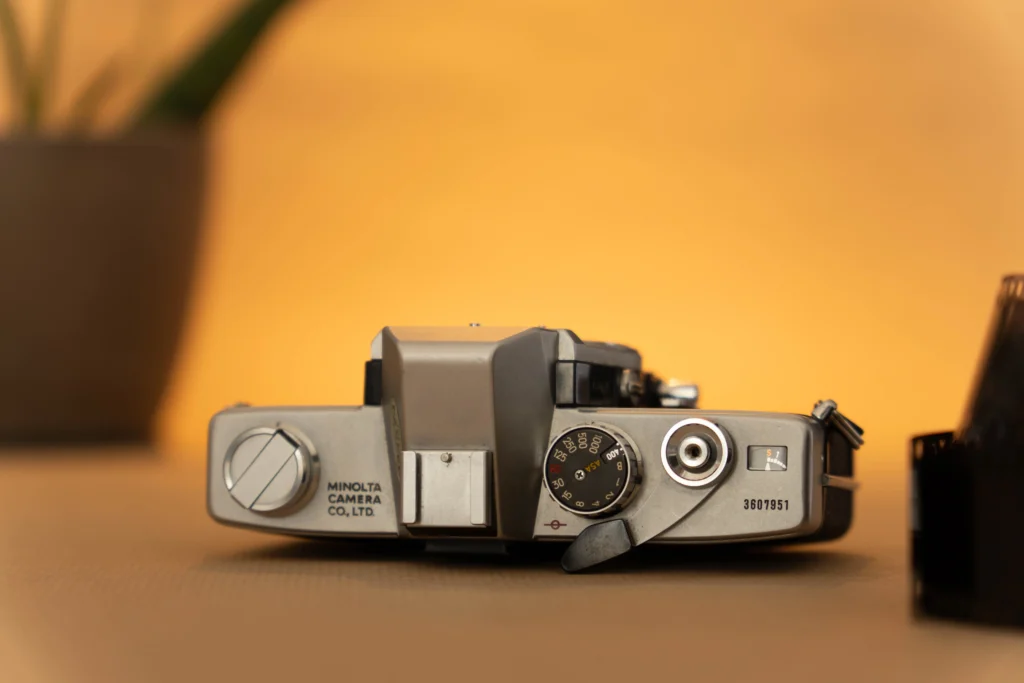
The Minolta SRT 101 belongs to a generation of cameras that defined reliability in the late 1960s and 1970s. It was designed at a time when cameras were built for long-term use, professional demands, and mechanical durability rather than rapid product cycles.
Minolta’s SRT series became widely respected for its robust construction and thoughtful engineering. With its through-the-lens metering system and fully mechanical design, the SRT 101 earned a reputation as a dependable companion for reportage, travel, and everyday photography. Decades later, it still represents a period when photographic tools were built to last.
Technology reduced to essentials
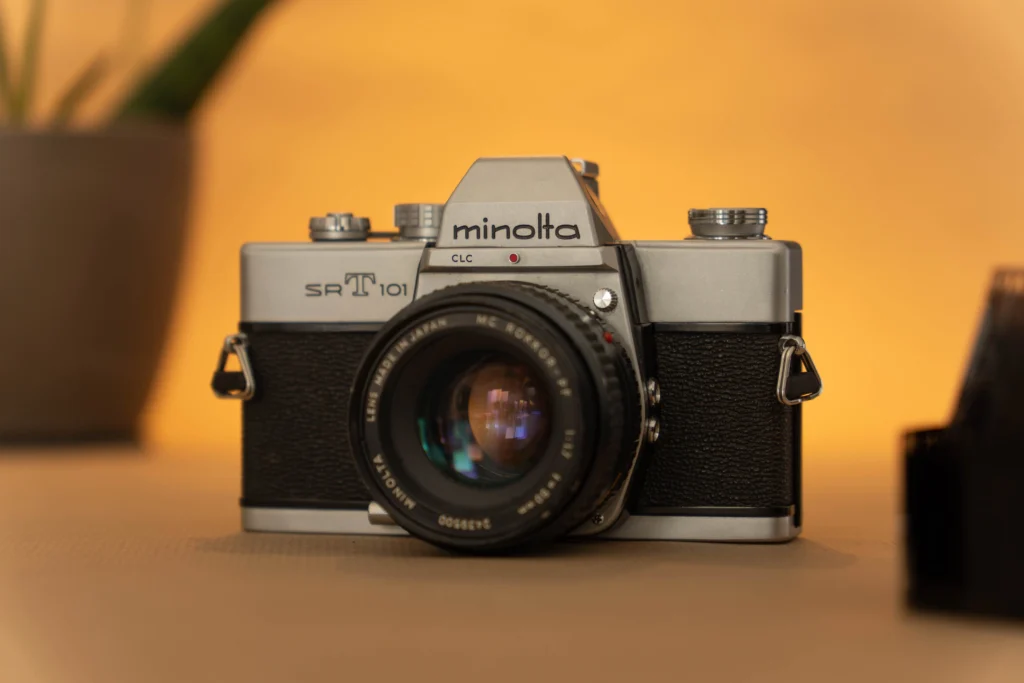
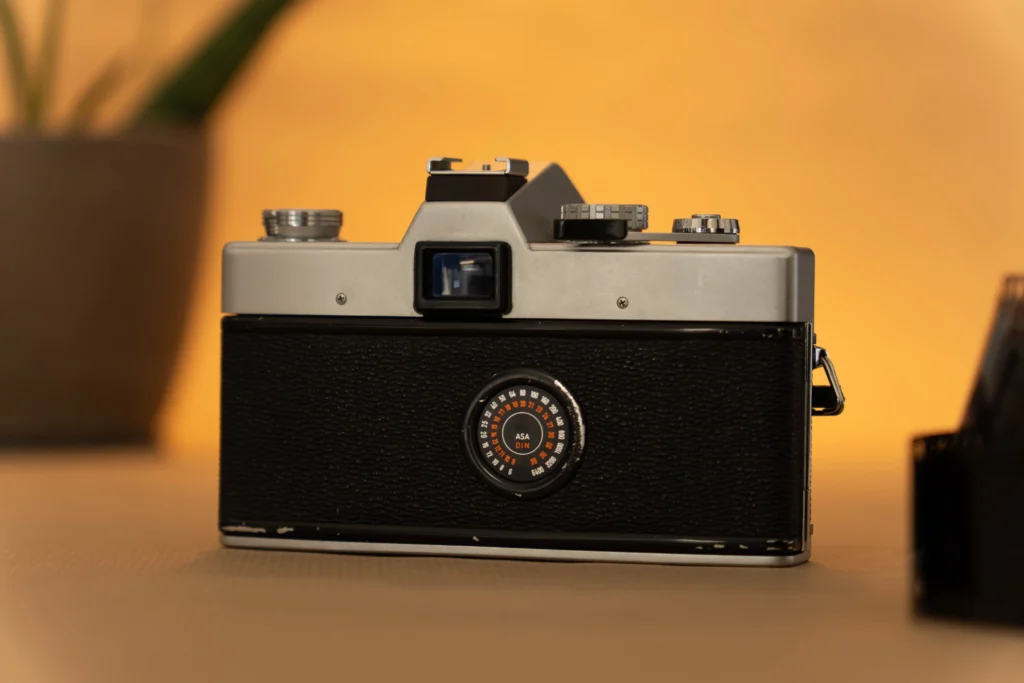
The SRT 101 is a fully mechanical 35 mm SLR that requires deliberate, manual operation. Shutter speed, aperture, and focus are set entirely by the photographer. The built-in TTL exposure meter, based on Minolta’s CLC system, provides clear and reliable guidance without taking control away from the user.
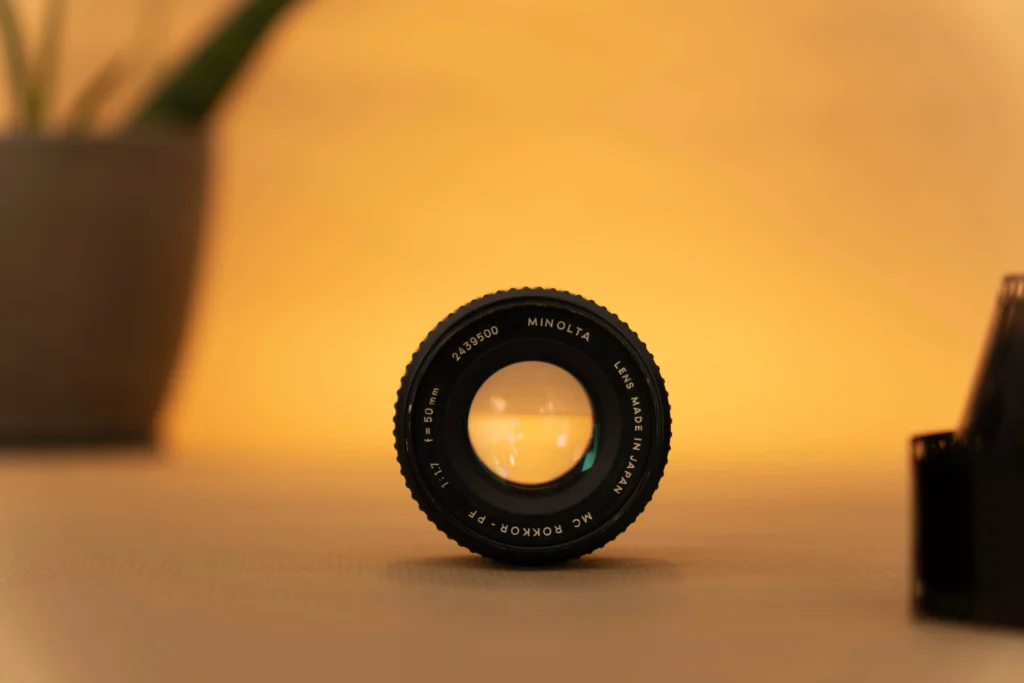
Paired with the Rokkor 50 mm f/1.7, the camera forms a classic and balanced setup. The 50 mm focal length offers a natural perspective, while the lens combines solid optical performance with a pleasing rendering. Its mechanical qualities—smooth focus throw, precise aperture ring, and clear tactile feedback—reflect the same design philosophy as the camera itself.
Personal experience: a true workhorse
In practical use, the Minolta SRT 101 proves to be exactly what it was built to be: a workhorse. It is straightforward, durable, and dependable. There are no menus, no automation, and no shortcuts. Every frame requires intention, every exposure a conscious decision.
The Rokkor 50 mm f/1.7 complements this approach perfectly. It is versatile, usable wide open, and sharp when stopped down, with a rendering that feels both honest and atmospheric. Together, camera and lens deliver consistent results without drawing attention to themselves.
In a modern context, this combination feels deliberately slow and focused. It encourages careful observation of light, distance, and timing—and rewards that attention with images that feel timeless and sincere.